The Role of Technology in Modern Dinosaur Experiences


Introduction to Modern Dinosaur Experiences
In recent years, the fascination with dinosaurs has been reignited, thanks to technological advancements that bring these ancient creatures to life. From interactive exhibits to virtual reality, technology plays a crucial role in enhancing our understanding and enjoyment of these prehistoric giants.
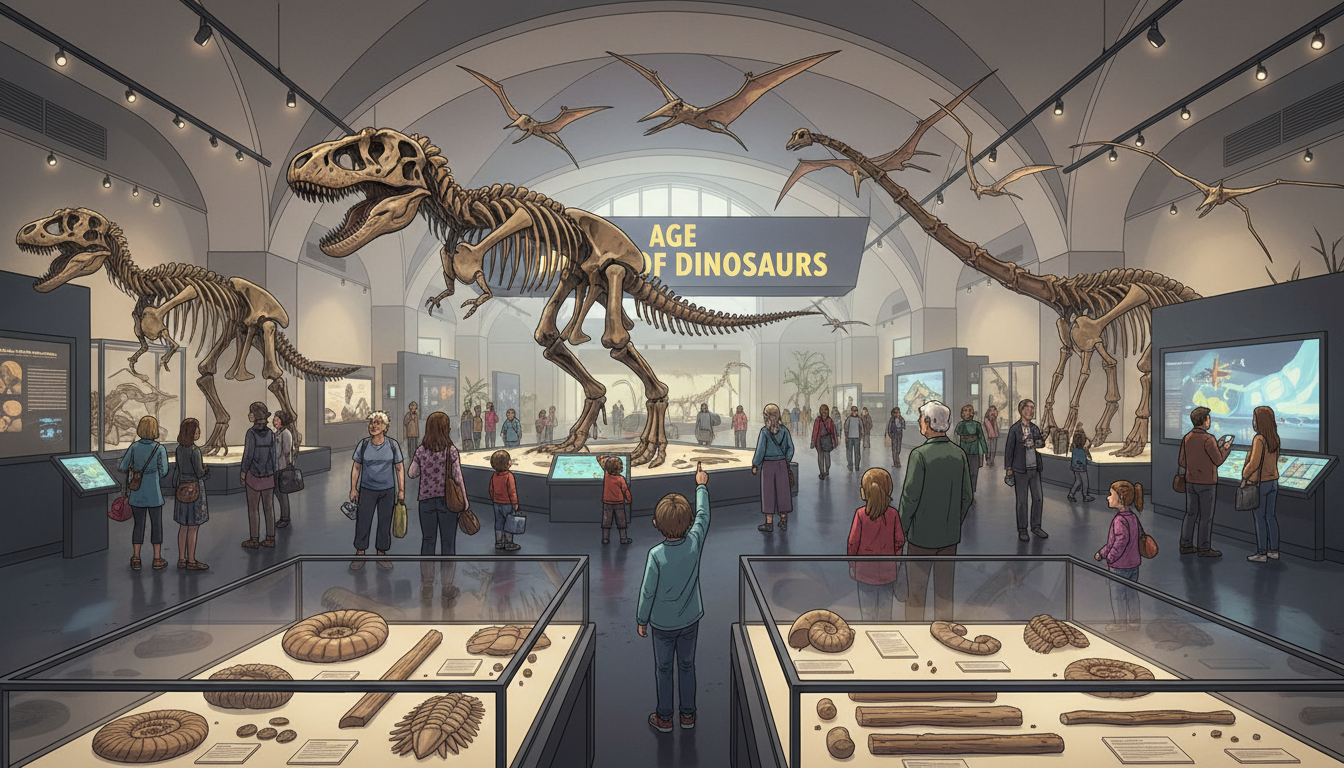
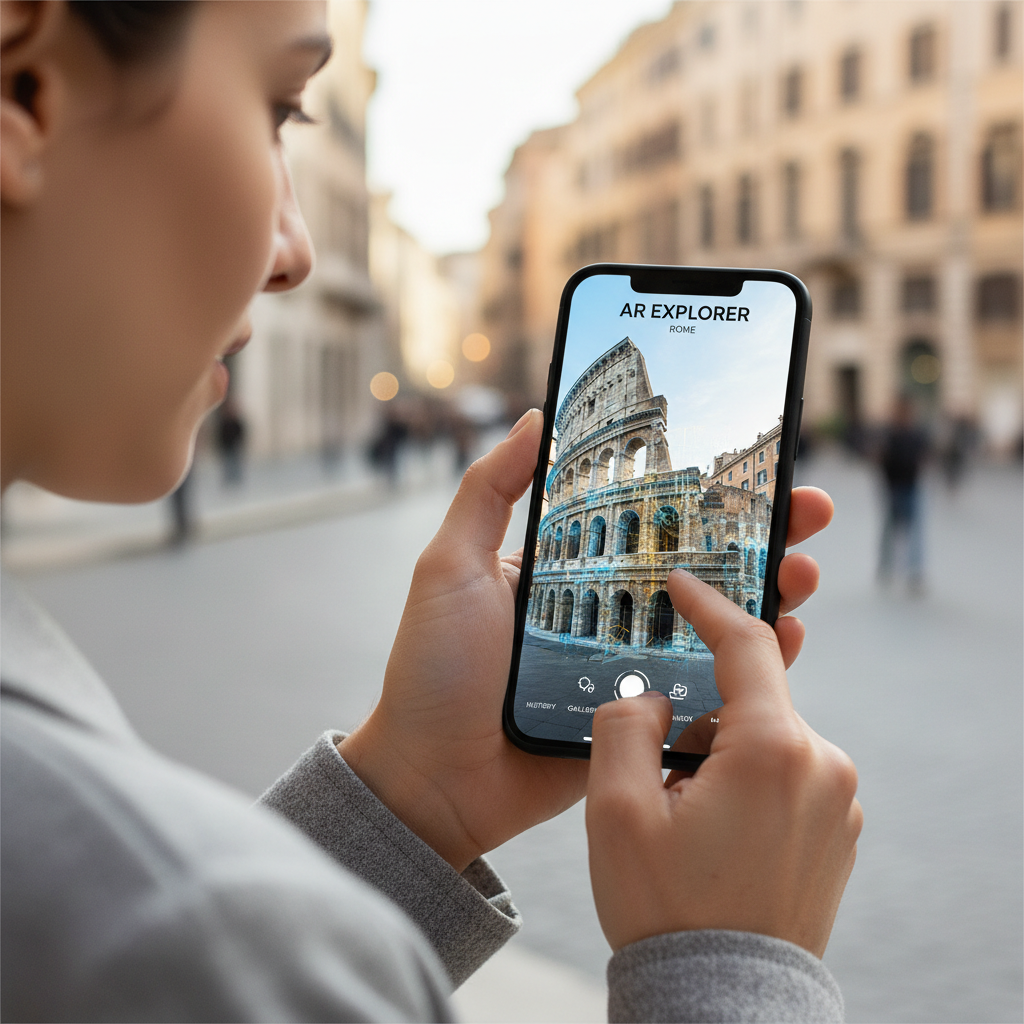
Interactive Exhibits and Augmented Reality
One of the most exciting developments is the use of augmented reality (AR) in museums. AR allows visitors to see dinosaurs in real-time, superimposed onto their surroundings. This technology provides an engaging way to learn about different species and their habitats.
Interactive exhibits often include touchscreens and motion sensors that let you explore detailed 3D models of dinosaurs. These models can be manipulated to reveal skeletal structures, muscle systems, and even skin textures, providing a comprehensive understanding of these creatures.
Benefits of Augmented Reality
AR offers several benefits in educational settings. It makes learning more engaging and memorable, helping visitors retain information more effectively. Additionally, it can be easily updated with new discoveries, ensuring that the information remains current.
Virtual Reality: A Journey to the Past
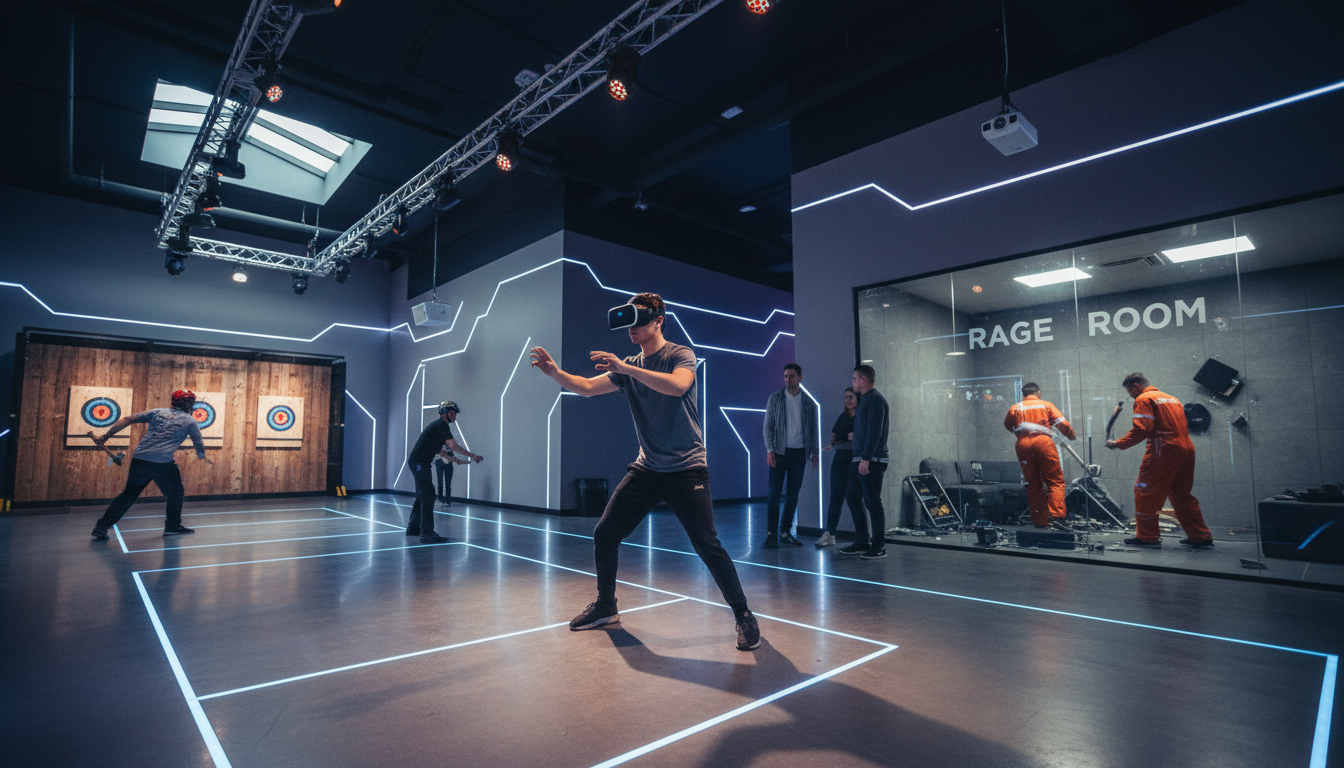
Virtual reality (VR) takes the experience a step further by immersing users in a fully digital environment. Imagine walking through a Jurassic forest or observing a T-Rex up close without leaving the comfort of your location. VR provides an unparalleled opportunity to experience the world as it was millions of years ago.
Many educational institutions and museums have adopted VR technology to create dynamic and interactive learning experiences. Users can participate in guided tours led by paleontologists, offering insights into the life and behavior of dinosaurs.
Advantages of Virtual Reality
The immersive nature of VR makes it a powerful tool for education. It caters to various learning styles, enabling users to visualize complex concepts easily. Additionally, VR experiences can be customized to suit different age groups and educational levels.
3D Printing and Robotics
3D printing has revolutionized the way we create dinosaur replicas. Museums can now produce accurate and detailed models of dinosaur skeletons, which are used for both display and educational purposes. These replicas are invaluable for research, allowing scientists to study the physical structure of dinosaurs in detail.
Robotics is another exciting development. Animatronic dinosaurs, which are often used in theme parks and exhibitions, provide a lifelike experience that captivates audiences. These robots mimic the movements and sounds of dinosaurs, offering an engaging encounter for visitors.
The Future of Dinosaur Experiences
As technology continues to advance, the possibilities for dinosaur experiences are limitless. From holographic displays to AI-driven educational platforms, the future holds exciting prospects for both enthusiasts and educators. The integration of these technologies not only enhances our understanding of dinosaurs but also inspires a new generation of paleontologists.